
The work is evolving. And quickly. Having merely technical or soft abilities is no longer sufficient in today’s world. Businesses are seeking experts who can integrate communication, teamwork, problem-solving, programming, data analysis, and project management. This balance forms a full-fledged professional profile and enhances career advancement.
It is the combination of technical skills and non-technical skills that allows a specialist to do more than just complete tasks. It allows you to influence the result. Sometimes — dramatically.
Technical Skills and Non-Technical Skills: What is The Difference

Technical skills are specific professional skills. They can be measured. They can be checked. And they can be learned through training, practice, or certification.
These skills include:
- Programming
- Coding
- Data science
- Data analysis
- Statistical analysis
- Data visualization
- SQL
- Excel skills
- Pivot tables
- Cybersecurity
- Automation
- Software development
These skills form the basis of professional competence. They help you complete tasks, build systems, analyse data, and implement technologies.
But there is another side to the job. Less obvious. And often more complex. Non-technical skills are soft skills. They determine how a person interacts with other people and how they make decisions.
These skills include:
- Communication skills
- Leadership skills
- Teamwork
- Collaboration
- Emotional intelligence
- Adaptability
- Critical thinking
- Decision-making
- Creativity
Without them, even a strong technical specialist can become isolated in the team. Or they won’t be able to explain a complex idea to their colleagues.
Why Do Companies Require a Balance of Skills?

Previously, you could only work with one skill group. It’s almost impossible now.
Projects have become more complicated. The teams have become bigger. And tasks often require cross-functional collaboration and communication with stakeholders, as well as constant problem-solving. Therefore, employers have changed their priorities.
For example, research shows that 92% of hiring managers consider soft skills to be as important or more important than technical skills. This is a serious indicator of changes in the labour market.
There is another indicator.
About 88% of employers pay attention to problem-solving and interpersonal skills when choosing candidates. Even when it comes to technological roles.
The explanation is simple.
Technology solves problems. But people manage the processes.
The Most Sought-After Technical Skills. Today, The Market is Actively Looking for Specialists With a Developed Technical Skill -Portfolio.

Among the most sought-after competencies:
- Programming languages
- Coding
- Data science
- SQL
- Artificial intelligence
- Cybersecurity
- Automation
- Business intelligence
The growth in demand is confirmed by the figures. For example, one of the technological skills showed an increase of 594% in 2024.
The field of artificial intelligence is also growing. The number of vacancies increased by 5.6% in just one quarter. At the same time, the median salary of AI specialists reached $157,196. This is one of the highest rates on the market.
However, even high demand does not solve the problem of a shortage of specialists.
There are more than 171,000 unfilled IT jobs in the United States.
Because of this shortage, many professionals working in non-technical roles are now encouraged to develop new technical competencies. This is why many people enrol in professional training such as cybersecurity courses in the UAE, where specialists learn how to protect digital systems, manage risks, and understand cybersecurity frameworks.
Data Analysis as a Key Competence
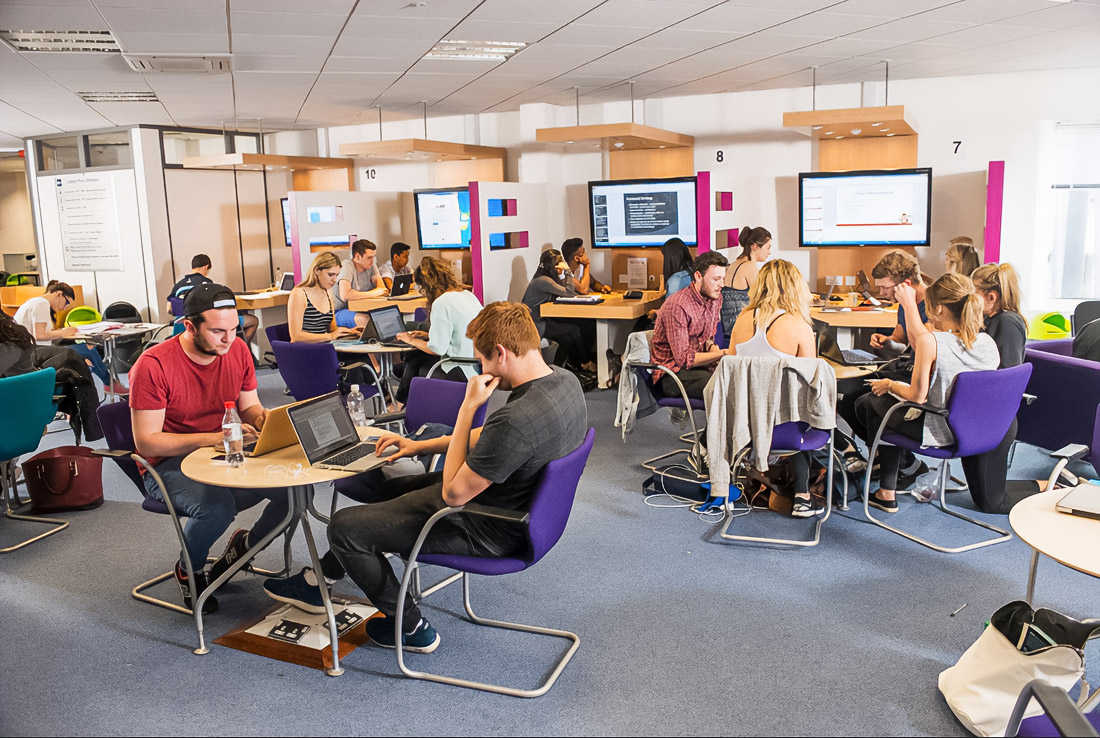
Data analysis occupies a special place among technical skills. This skill includes several areas at once:
- Statistical analysis
- Data visualization
- Working with Python
- Working with R
- Using SQL
- Application of business intelligence
- Advanced Excel skills
Companies are increasingly using data to make decisions. Therefore, analytics specialists participate in strategic projects and help optimise processes.
Over the past year, more than 20,200 new IT jobs have been created, and a significant part is related specifically to data analysis.
Project Management and Complex Project Management

Technical skills are important. But they rarely work on their own. Most projects require project management methodologies. These methods help you manage teams, tasks, and deadlines.
The most common approaches are:
- Agile methodologies
- Scrum
- Kanban
- Waterfall methodology
- Hybrid project management
However, even the most effective methodology does not work without communication, leadership, and team coordination.
This is where soft skills reappear.
Professionals often strengthen these abilities through targeted training such as communication courses, which help individuals develop presentation skills, active listening techniques, and effective stakeholder interaction.
Why Soft Skills Affect a Career
At the initial stage of a career, technical skills are often the deciding factor. But as the specialist grows, the situation changes. Managers must manage people. Make decisions. Resolve conflicts. Plan a strategy.
Therefore, the key ones are:
- Leadership
- Strategic thinking
- Emotional intelligence
- Adaptability
- Conflict resolution
- Creativity
Research shows that 65% of IT managers identify significant gaps in their teams’ skills.
And these gaps are most often not related to technology. And with communication, collaboration, and management.
Continuous Learning is Becoming the Norm
Companies are actively investing in training programmes, continuous learning, and professional development.
The reason is obvious. Skills quickly become obsolete.
According to forecasts, by 2029, specialists will need to master 23 key competencies, as well as reach the expert level in four areas:
- IT
- Personal learning and mastery
- Digital collaboration
- Achievement focus
At the same time, 72% of organisations plan to close skill gaps through employee training.
And 94% of managers have already noted the positive results of comprehensive training programmes that develop both technical skills and soft skills.
The Rise of Technology and The Skills of The Tuture
Technology continues to grow. Artificial intelligence is developing especially rapidly.
According to forecasts, the AI market will grow at an average annual rate of 28.46%.
By 2030, its volume may reach $826.70 billion.
But even with this growth in technology, human skills remain indispensable. Communication. Creativity. Critical thinking. Emotional intelligence. These qualities cannot be fully automated.
How the Combination of Skills Affects the Results
The most successful specialists can combine different skills. They use technical expertise, but they also use leadership, collaboration, and problem-solving.
This approach brings real results.
In one of the projects, a change in the team structure made it possible to increase the efficiency of completing tasks from 46% to 99%.
The reason is simple.
The team began to use not only technical knowledge but also effective communication, process management, and collaboration.
The labour market has changed. Now it is not enough to know only the technology.
The real advantage comes when a specialist combines:
- Technical skills
- Soft skills
- Analytical thinking
- Communication
- Leadership
- Continuous learning
Technical skills allow you to solve problems.
Soft skills allow you to do this together with other people.
And it is this combination that determines professional success, career growth and long-term sustainability of a specialist in the labour market.

Soccer lover, ramen eater, hiphop head, hand letterer and RGD member. Operating at the crossroads of art and function to answer design problems with honest solutions. I’m a designer and this is my work. Tropical swift lover